- +967 101 0000
- youremail@domain.com
- 113th Street, Suite 721 New York

Effortless_access_to_content_with_arionplay_delivers_valuable_viewing_experience
- Effortless access to content with arionplay delivers valuable viewing experiences
- Enhancing Entertainment Through Simplified Access
- Optimizing User Experience: Interface and Functionality
- The Role of Algorithm-Driven Curation
- Content Variety and Licensing complexities
- The Future of Content Accessibility
- Navigating the Challenges of Data Privacy and Security
Effortless access to content with arionplay delivers valuable viewing experiences
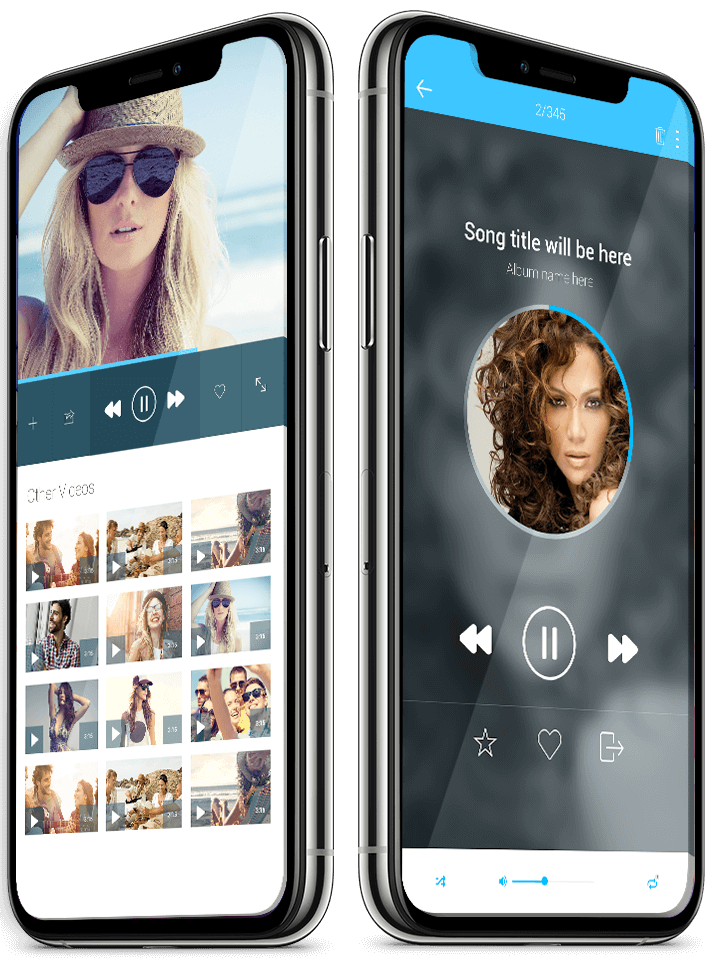
In today’s digital landscape, access to diverse content is paramount. Individuals are constantly seeking streamlined and efficient ways to enjoy their favorite movies, shows, and other digital media. This pursuit of convenience and quality has led to the emergence of platforms like arionplay, designed to deliver valuable viewing experiences directly to users. The way we consume entertainment is evolving, demanding accessibility, reliability, and a user-friendly interface, aspects that innovative platforms are actively addressing.
The proliferation of streaming services has undeniably changed the media consumption habits of millions worldwide. However, navigating this landscape can be complex, often involving multiple subscriptions and fragmented libraries. A solution lies in platforms that offer a consolidated and simplified approach, allowing users to access a broad range of content without the hassle of constantly switching between different services. These platforms often focus on delivering a seamless experience, adaptable to various devices and bandwidths, ensuring a consistent level of enjoyment for every user.
Enhancing Entertainment Through Simplified Access
One of the primary benefits of platforms designed for convenient content delivery is the elimination of traditional barriers to access. Historically, enjoying movies and TV shows meant purchasing physical media, adhering to broadcast schedules, or dealing with complicated digital rights management. Modern streaming solutions bypass these limitations, offering on-demand access to a vast catalog of content. This shift in power puts the user firmly in control, enabling them to watch what they want, when they want, and on the device of their choosing. Moreover, these platforms frequently provide personalized recommendations based on viewing history, ensuring that users are constantly exposed to content they’ll likely enjoy. This curation aspect is invaluable in a world overwhelmed by options.
The advancement of technology has been integral to this transformation. High-speed internet connectivity, coupled with the development of sophisticated streaming protocols, has enabled the seamless transmission of high-quality video content. This has resulted in a marked improvement in the user experience, with minimal buffering and consistent playback. Cloud computing also plays a crucial role, allowing platforms to scale their infrastructure to accommodate a growing number of users and an expanding content library. Furthermore, many platforms have begun incorporating features like offline downloads, catering to users with limited or unreliable internet access. This combination of technological advancements confirms the continuing evolution of accessibility.
- Personalized content recommendations guide users to new discoveries.
- On-demand access eliminates scheduling constraints.
- Multi-device compatibility ensures viewing flexibility.
- Offline download options cater to users with limited connectivity.
The impact extends beyond simple convenience. By democratizing access to content, these platforms are fostering a more informed and engaged audience. Independent filmmakers and content creators are also benefiting from these platforms, gaining a wider reach and bypassing traditional distribution channels. This leads to increased diversity in the media landscape, offering viewers a broader range of perspectives and narratives. The core focus remains on optimizing access and offering enjoyable experiences for the end user.
Optimizing User Experience: Interface and Functionality
A critical component of any successful content delivery platform is its user interface (UI) and overall functionality. A cluttered or unintuitive interface can quickly frustrate users and drive them to competing services. Therefore, platforms must prioritize simplicity, ease of navigation, and a visually appealing design. Intuitive search functionality is paramount, allowing users to quickly locate specific titles or browse by genre, actor, or director. Features like watchlists, parental controls, and customizable profiles further enhance the user experience. Consideration should also be given to accessibility for users with disabilities, incorporating features like closed captions, audio descriptions, and screen reader compatibility.
Beyond the basic features, advanced functionality can significantly differentiate a platform in a competitive market. High-definition video quality, multi-language support, and interactive features such as live chats and community forums can all add value for users. Moreover, integration with social media platforms allows users to share their viewing experiences and connect with others who share their interests. The ability to cast content to larger screens via Chromecast or AirPlay is another highly sought-after feature, enabling a more immersive viewing experience. These features are essential to improve overall user satisfaction.
The Role of Algorithm-Driven Curation
Algorithms play an increasingly significant role in shaping the content that users see. These algorithms analyze viewing habits, demographics, and other data points to generate personalized recommendations. While effective, it’s essential to strike a balance between personalized curation and serendipitous discovery. Overly aggressive algorithms can create "filter bubbles," limiting users’ exposure to diverse perspectives. Platforms should strive to incorporate elements of randomness and exploration, introducing users to content they might not have otherwise considered. Transparency in algorithmic processes is also crucial, allowing users to understand why certain recommendations are being made.
Effectively managing the user experience relies on continual monitoring and analysis of user behavior. A/B testing different interface designs and features, and gathering feedback through surveys and user interviews, can provide valuable insights for improvement. This iterative approach ensures that the platform remains responsive to evolving user needs and preferences. The goal is to create a dynamic and engaging experience that fosters long-term user loyalty and satisfaction.
Content Variety and Licensing complexities
The breadth of content available is a major differentiator for any streaming platform. Users expect access to a diverse library encompassing movies, TV shows, documentaries, sports, and more. Acquiring the rights to stream this content, however, can be a complex and expensive undertaking. Licensing agreements often vary by region, creating geographical restrictions on availability. Navigating these complexities requires a dedicated team of legal experts and a strong understanding of the media landscape. Platforms also need to constantly renegotiate licensing agreements as rights expire, ensuring a continuous supply of fresh content. The procurement of rights is an ever-changing process.
The rise of original content has further complicated the landscape. Platforms are increasingly investing in producing their own exclusive shows and movies to attract and retain subscribers. This strategy, while effective, requires significant financial resources and creative expertise. It also necessitates building strong relationships with writers, directors, and actors. The competition for original content is fierce, with major players like Netflix, Amazon, and Disney spending billions of dollars annually. This is the dynamic of the competitive landscape.
- Secure licensing agreements for a diverse content library.
- Navigate regional restrictions and varying rights.
- Invest in original content production.
- Build strong relationships with content creators.
The emergence of cloud technology and edge computing is revolutionizing content delivery networks (CDNs). These technologies allow platforms to distribute content more efficiently, reducing latency and improving streaming quality. CDNs cache content closer to users, minimizing the distance data travels and ensuring a smoother viewing experience. The utilization of these technologies allows for scalability and improved performance. The technological developments will continue to impact content distribution.
The Future of Content Accessibility
Looking ahead, the future of content accessibility is likely to be shaped by several key trends. The continued growth of 5G networks will enable faster and more reliable mobile streaming, transforming the way people consume content on the go. The development of augmented and virtual reality (AR/VR) technologies will create immersive and interactive viewing experiences. Artificial intelligence (AI) will play an increasingly important role in personalizing content recommendations and optimizing streaming quality. The development of blockchain technology could also revolutionize content licensing and distribution, creating a more transparent and secure system for creators and consumers.
The integration of artificial intelligence will not only refine personalized recommendations but also will automate content tagging and metadata creation. This efficiency will lead to improved search accuracy and a more seamless browsing experience. Furthermore, AI-powered tools can assist in identifying and removing pirated content, protecting the rights of copyright holders. This development is important for the integrity of the market.
| Feature | Benefit |
|---|---|
| 5G Networks | Faster & more reliable mobile streaming |
| AR/VR Technology | Immersive & interactive viewing experiences |
| Artificial Intelligence | Personalized recommendations & optimized streaming |
The continued evolution of delivery platforms will depend on innovation and adaptability. As technology advances and consumer preferences evolve, platforms must remain responsive to ensure they continue to deliver valuable viewing experiences and contribute to a vibrant media ecosystem. The importance of providing easy and efficient access to content will only continue to grow in the years to come.
Navigating the Challenges of Data Privacy and Security
As content platforms amass increasing amounts of user data, concerns about data privacy and security become paramount. Platforms have a responsibility to protect user information and comply with relevant data protection regulations, such as GDPR and CCPA. Implementing robust security measures, including encryption, access controls, and regular security audits is crucial to prevent data breaches. Transparency about data collection practices and providing users with control over their data are also essential. The build of trust with users relies on preserving privacy.
The expansion of connected devices and the Internet of Things (IoT) further complicate the security landscape. Platforms must ensure that all connected devices are secure and that user data is protected across all touchpoints. This requires a proactive approach to security, constantly monitoring for vulnerabilities and implementing updates to address them. Furthermore, platforms should educate users about best practices for protecting their privacy and security online. Effectively handling security is essential to maintain user trust and the integrity of the system.
Facebook
WhatsApp
Twitter
LinkedIn
Pinterest

Recent Posts
Experience Fresh Wins with Exclusive Bonuses and Premium Games
October 9, 2023
No Comments
Best Casino Games for Beginners
November 13, 2023
No Comments
Best Cashback Casino Bonuses & Offers month 2026
December 1, 2023
No Comments
Advertisement