- +967 101 0000
- youremail@domain.com
- 113th Street, Suite 721 New York

Exploring the psychological impacts of gambling on decision-making processes
The Psychology of Decision-Making in Gambling
Gambling is a complex activity that intertwines with human psychology, significantly affecting decision-making processes. At its core, gambling can evoke strong emotions, particularly excitement and anxiety, which in turn influences the choices players make. The immediate rewards experienced during gambling sessions can create a sense of euphoria, often leading to impulsive decisions that prioritize short-term gains over long-term consequences. This phenomenon can cloud judgment, causing individuals to overlook potential losses. For example, anyone interested in a new adventure might consider trying out the entertainment options at midarioncasino.uk.
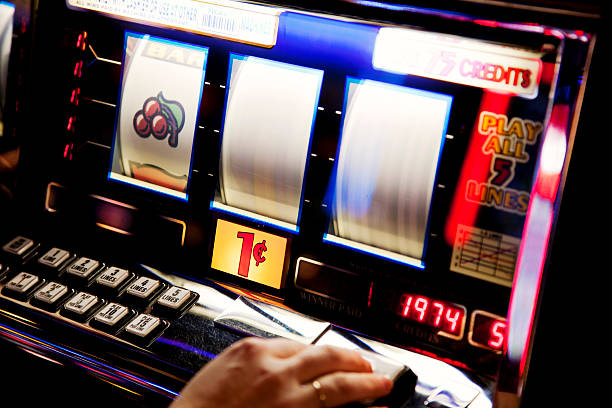
Additionally, cognitive biases, such as the illusion of control, can heavily impact decision-making. Many gamblers believe they can influence outcomes based on past experiences, fostering a sense of mastery that is often misplaced. This false belief can lead to continued gambling despite negative outcomes, as players might rationalize their losses by anticipating future wins. Understanding these psychological factors is crucial for recognizing how they manipulate decision-making in gambling contexts.
Furthermore, the environment in which gambling occurs plays a significant role in shaping decisions. Bright lights, sounds, and other sensory elements of casinos are designed to heighten emotions, leading to more impulsive choices. Gamblers may find themselves making decisions quickly, driven by excitement rather than careful thought. This impulsivity can culminate in substantial financial risks, as individuals are often swept away by the atmosphere rather than grounded in rationality.
The Role of Emotions in Gambling Decisions
Emotions are pivotal in driving gambling decisions, as they can both enhance and impair judgment. The thrill of winning can create an emotional high that leads to increased risk-taking, while the fear of losing can cause anxiety, prompting hasty decisions to recover losses. This emotional rollercoaster is central to why many individuals continue gambling even when it leads to financial detriment. The emotional stakes are often intertwined with the gambling experience, exacerbating the impact on decision-making.
Moreover, gamblers often experience regret and disappointment after losses, which can prompt a cycle of chasing losses. This behavior stems from the desire to recapture past winnings, leading to irrational decision-making that can spiral out of control. Gamblers may convince themselves that their luck will change, pushing them to wager more than they initially planned. Understanding this emotional response is essential for developing strategies to mitigate its negative effects on decision-making.
The psychological concept of ‘loss aversion’ also plays a crucial role in gambling. Research shows that the pain of losing money is psychologically more intense than the pleasure derived from winning the same amount. This can create an overwhelming urge to gamble more in an attempt to avoid the perceived failure associated with losses. It highlights the intricate balance between emotional responses and decision-making processes in gambling scenarios, demonstrating how easily individuals can be influenced by their feelings.
Cognitive Biases and Misconceptions in Gambling
Cognitive biases heavily influence the decisions gamblers make, often leading to misconceptions about risk and probability. One prevalent bias is the gambler’s fallacy, where individuals believe that past outcomes will affect future results. For example, a player may think that a particular slot machine is “due” for a win after a series of losses, despite each outcome being independent. This flawed reasoning can result in continued gambling, driven by the misguided belief that patterns exist where they do not.
Another cognitive distortion is the overconfidence effect, where gamblers overestimate their knowledge or skill in predicting outcomes. This may lead them to take excessive risks based on unwarranted self-assurance. The interplay between self-perception and actual decision-making can lead to disastrous financial consequences, as individuals may wager beyond their limits in pursuit of an anticipated win.
Understanding these biases is essential for both gamblers and those involved in gambling regulation. By recognizing the cognitive pitfalls that many individuals fall into, it becomes possible to create educational programs aimed at improving decision-making. Such initiatives can help players cultivate a more realistic understanding of odds and consequences, potentially reducing harm associated with gambling activities.
The Impact of Gambling Addiction on Decision-Making
Gambling addiction represents a severe distortion of the decision-making process. For individuals suffering from this addiction, rational judgment is often compromised by the compulsive need to gamble. This can lead to significant life disruptions, as personal and financial responsibilities take a backseat to the urge to gamble. The psychological grip of addiction clouds judgment, making it difficult for individuals to recognize the harm their actions are causing.
Research has shown that addiction can alter brain chemistry, particularly affecting areas related to impulse control and decision-making. This neurological shift can further exacerbate the compulsive behaviors associated with gambling, making it increasingly challenging for individuals to make sound choices. The cycle of addiction and decision-making errors reinforces each other, creating a feedback loop that is hard to break without intervention.
Addressing gambling addiction requires a multifaceted approach, including psychological support and behavioral therapy. Such treatments aim to reestablish healthy decision-making patterns by helping individuals recognize the triggers that lead to compulsive gambling behavior. Understanding the psychological underpinnings of addiction is crucial for developing effective strategies that can guide individuals toward recovery and healthier decision-making processes.

Conclusion and Resource Availability
This exploration of the psychological impacts of gambling on decision-making processes underscores the intricate relationship between emotion, cognition, and behavior. The various biases, misconceptions, and emotional responses significantly influence how individuals approach gambling, often leading to detrimental outcomes. Recognizing these factors is essential for promoting responsible gambling practices and enhancing overall decision-making.
For those seeking further information and resources, the website provides valuable insights and support tools. Visitors are encouraged to explore the platform for guidance on navigating gambling responsibly, understanding the psychological impacts, and finding assistance if needed. By equipping individuals with knowledge and resources, the goal is to foster informed decision-making in the realm of gambling and beyond.